
Tire Care in Chicago – Prepare for Weather & Roads
Learn how to prepare your tires for Chicago’s unpredictable weather and road conditions with expert maintenance tips for safety and performance.
- February 11, 2026
- Carrectly
- 7 min read
Tire Care 101: Preparing Your Vehicle for Chicago’s Roads and Weather
Chicago drivers experience some of the most unpredictable road and weather conditions in the country. One day the roads are dry and clean, and the next they are covered with slush, potholes, or loose construction gravel. This constant change places an enormous amount of stress on a vehicle’s tires. For many drivers, tire maintenance becomes an afterthought, overshadowed by concerns about oil changes, brakes, or winter prep. But in reality, tires play a bigger role in safety, comfort, and long-term vehicle health than most people realize — especially in a city where the seasons shift dramatically and road surfaces rarely stay the same for long.
Tires form the only point of contact between your car and Chicago’s roads, yet they endure everything from deep winter cold to intense summer heat. A well-maintained set of tires can withstand these challenges, but neglected tires often wear unevenly, lose grip more quickly, and become more prone to punctures. Chicago drivers who commute daily, navigate the tight streets of the Loop, or park in crowded neighborhoods like Lincoln Park understand how sudden road conditions can change. A smooth morning drive can quickly turn into navigating potholes or uneven pavement that stresses the entire suspension system. Proper tire care helps protect against these surprises and ensures safer driving throughout the year.
How Chicago Weather Affects Your Tires
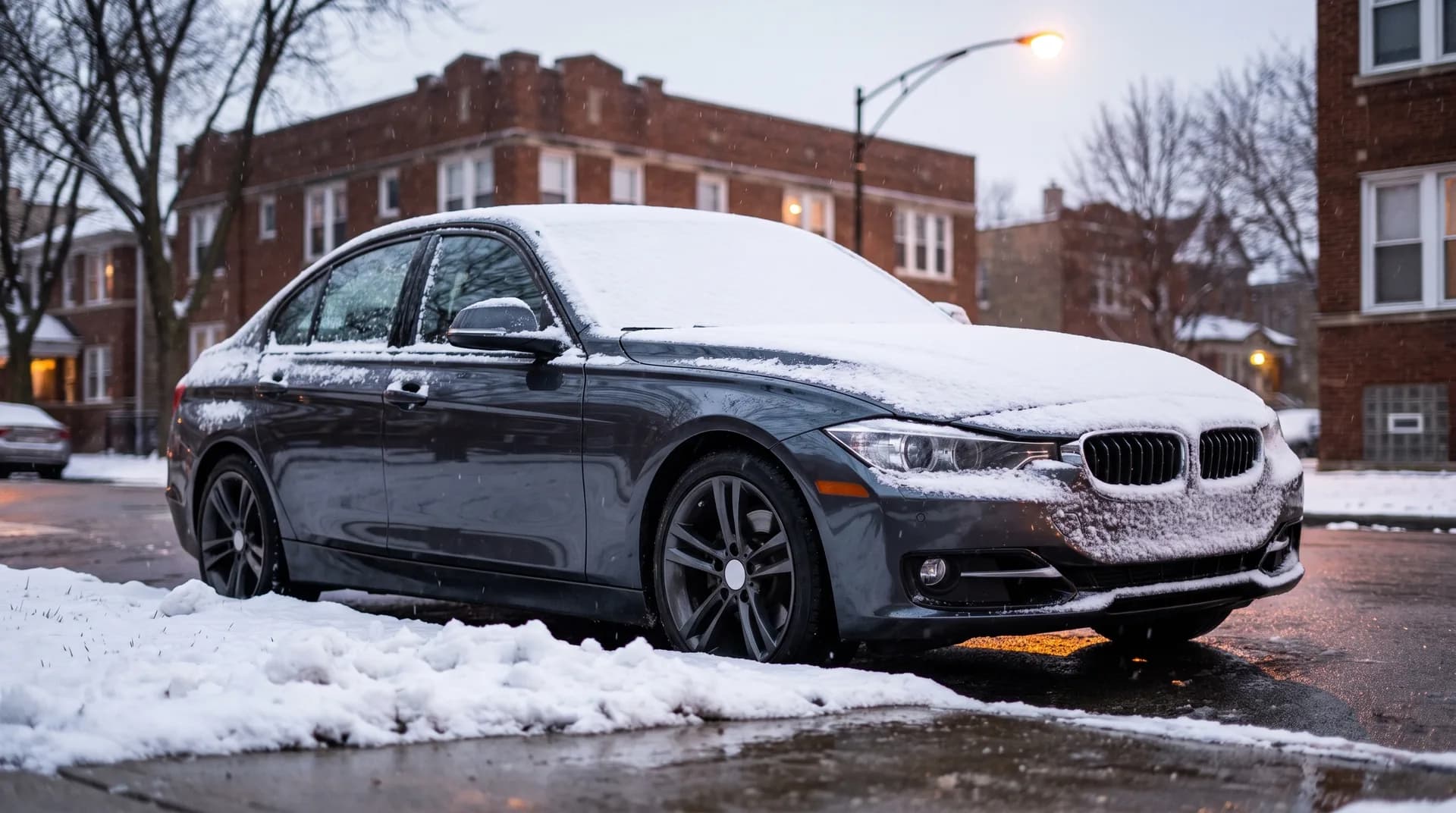
Chicago’s climate is one of the biggest reasons tire maintenance matters. Winter brings long periods of freezing temperatures, road salt, slush, and sharp temperature swings that reduce tire pressure and make rubber more brittle. When temperatures drop significantly, even a properly inflated tire loses pressure. This is why so many Chicago drivers notice their tire pressure warning lights activating during the first cold mornings of the season. Low pressure reduces traction, increases braking distance, and makes tires more vulnerable to damage from potholes.
Summer creates its own challenges. Hot pavement and prolonged exposure to sunlight accelerate wear, especially on tires that are already aging or improperly inflated. In areas like Lake Shore Drive or the Eisenhower Expressway, long stretches of high-speed driving during warmer months cause temperatures in the tire structure to rise more quickly. Excess heat leads to faster tread wear and increases the risk of blowouts, particularly during long trips or heavy commutes.
The transitional seasons — spring and fall — do not offer much relief either. Spring often brings deep puddles, hidden potholes, and loose gravel from winter repairs. Fall introduces falling temperatures and frequent rain, both of which reduce traction and make worn tires more hazardous. Every season in Chicago brings a new set of tire-related challenges, making regular inspections and maintenance an important habit for drivers who rely on their vehicles daily.
Understanding Tire Wear on Chicago Streets
Chicago’s roads are known for their texture, and not always in a good way. Potholes, metal plates, and uneven pavement are a regular part of the driving experience. These conditions create irregular forces on the tires, causing certain tread sections to wear faster than others. Drivers who spend much of their time on roads like Western Avenue, Ashland, or the Dan Ryan Expressway experience this wear more quickly because these routes often combine high speeds with patchy pavement.
Even city neighborhoods contribute to uneven wear. Tight turns, frequent stop-and-go traffic, and parallel parking maneuvers create additional stress on the outer and inner edges of the front tires. Vehicles that spend a lot of time in multi-level parking garages in the Loop also see accelerated wear from the sharp turns and concrete ramps. Over time, the tires develop patterns that reduce traction and increase road noise.
Proper tire rotation helps offset this wear, but Chicago’s roads make it especially important. Rotating tires every five to seven thousand miles ensures more even contact with the surface and extends overall tire life. Without rotation, the front tires — which handle the majority of steering forces — often degrade well before the rears, leaving drivers with a noisy, unstable ride.
Why Tire Pressure Matters More Than You Think
Tire pressure is one of the simplest yet most important aspects of tire care. In Chicago, where temperatures fluctuate dramatically, pressure often changes from one week to the next. Underinflated tires reduce fuel efficiency, increase wear, and make the vehicle feel heavier and less responsive. Overinflated tires reduce traction and create a harsher ride, especially on roads with cracks or uneven pavement.
Winter amplifies these issues. Every ten-degree drop in temperature reduces tire pressure enough to trigger dashboard warnings. Drivers who ignore these alerts often experience difficulty maintaining control on icy or snowy roads. Meanwhile, summer heat expands the air inside the tires, sometimes pushing pressure too high and reducing contact with the pavement. Keeping tire pressure within the recommended range makes the car safer and more efficient throughout all seasons.
For many Chicago drivers, incorporating a quick tire pressure check into routine fuel stops or weekly errands becomes an easy way to catch early issues. Modern vehicles make this easier with built-in monitoring systems, but physical checks remain the most reliable method. A good gauge and a few minutes of attention can prevent much larger problems down the road.
Seasonal Tire Choices for Chicago Drivers
Choosing the right type of tire plays a major role in how well your vehicle handles Chicago’s seasonal conditions. All-season tires are the most common choice and perform reasonably well in many environments. They provide good durability, a comfortable ride, and consistent performance in mild to moderate conditions. However, Chicago winters can exceed the capabilities of standard all-season tires, particularly during heavy snow or on icy roads.
Winter tires offer significant advantages during the colder months. Their rubber compounds remain flexible in freezing temperatures, improving grip on snow-packed streets and icy intersections. They reduce stopping distances and improve steering response in winter conditions. Many Chicago drivers who commute early in the morning or late at night notice a dramatic improvement in control once winter tires are installed. Switching to winter tires often comes down to how confident and secure you want to feel during snowstorms and on untreated neighborhood streets.
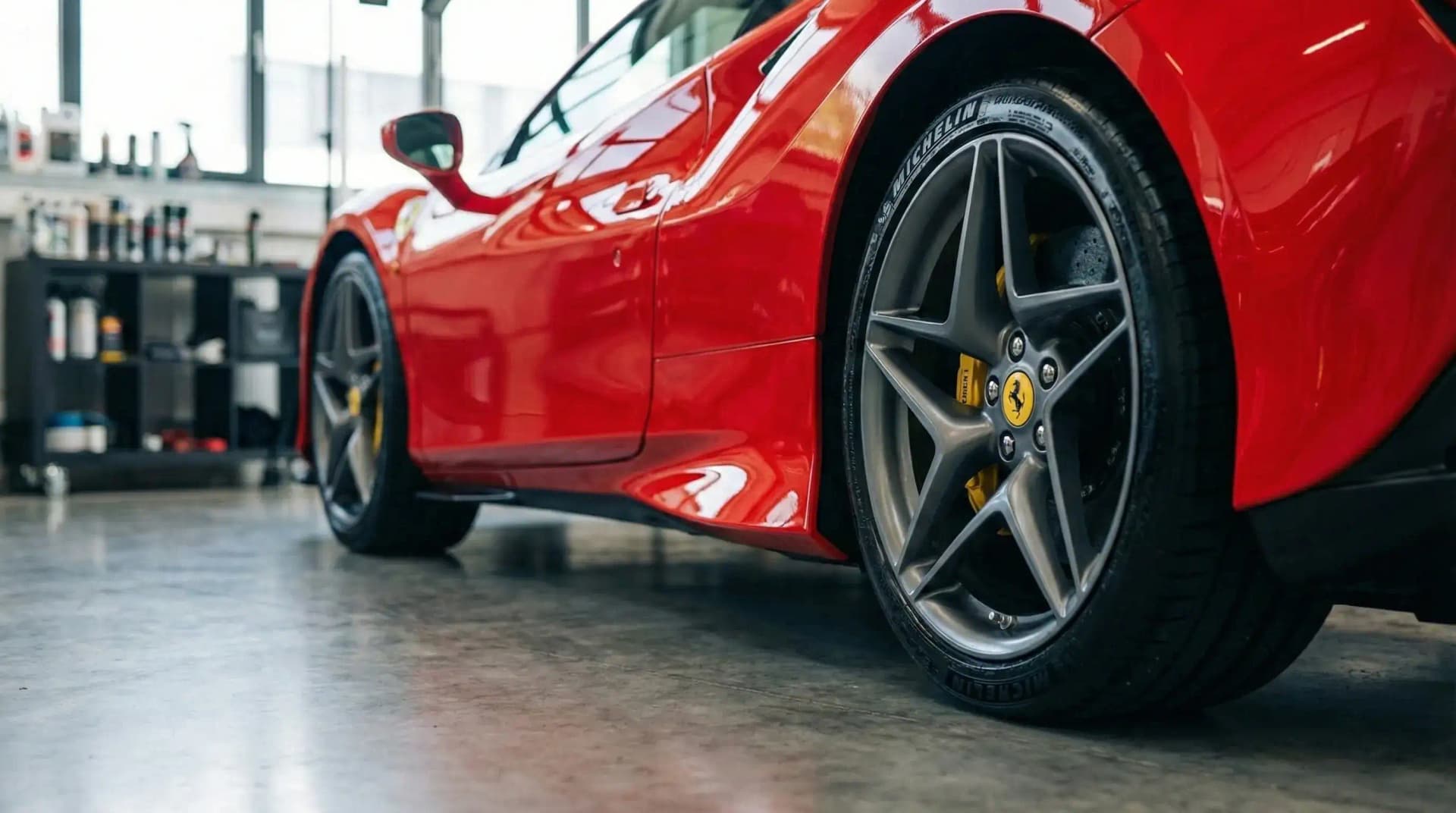
Summer performance tires are another option, though they are best suited for drivers with sports cars or high-performance vehicles. These tires excel during warm months, offering exceptional grip and handling on dry pavement. However, they lose effectiveness when temperatures drop and should not be used during the winter season.
The Dangers of Ignoring Tire Maintenance
Neglecting tire care can lead to several issues that affect both safety and the overall driving experience. Uneven wear disrupts traction, especially in wet or snowy conditions. A tire with low tread depth struggles to disperse water, which increases the risk of hydroplaning during Chicago’s frequent rainstorms. Punctures from debris left behind at construction sites or near busy intersections become more common when tires are already weakened or worn.
Poor tire condition also places additional strain on a vehicle’s suspension and alignment. When tires wear unevenly, the suspension compensates for the imbalance, leading to premature wear on components such as control arms, ball joints, and bushings. Over time, this results in a harsher ride, increased repair costs, and less predictable handling.
Tire failures on highways such as the Kennedy or Stevenson can be especially dangerous. Blowouts at high speeds reduce control instantly, often forcing drivers to react quickly to avoid collisions. Proper tire maintenance helps prevent these situations and ensures a safer, smoother commute.
How Carrectly Helps Chicago Drivers Maintain Tire Health
Carrectly provides comprehensive tire maintenance services designed specifically for Chicago’s driving conditions. Our technicians handle everything from seasonal swaps and tire inspections to pressure adjustments, rotation, and replacement when needed. Because many Chicago drivers have busy schedules, Carrectly’s pickup and delivery model allows them to stay on top of tire care without visiting a shop or rearranging their day.
Whether your vehicle needs winter tires installed, a performance set balanced for summer, or an inspection to evaluate tread health, our team follows top safety and industry standards. We work with vehicles parked in underground garages, city streets, and suburban driveways, ensuring that every customer gets the same level of precision and care regardless of location.
FAQ: Tire Care for Chicago Drivers
- How often should I rotate my tires in Chicago?Rotation every five to seven thousand miles helps maintain even wear and extends tire life.
- Why do my tire pressure warnings appear in winter?Cold weather reduces air pressure, triggering your vehicle’s TPMS alerts.
- Do I really need winter tires in Chicago?Winter tires significantly improve traction and braking during snow and ice, especially for daily commuters.
- How do potholes affect my tires?Potholes can cause sidewall damage, alignment issues, and uneven wear if not addressed quickly.
- How can Carrectly help with tire maintenance?Carrectly provides inspections, rotations, pressure checks, replacements, and seasonal tire swaps with convenient pickup and delivery.
Tire care may not always be the first thing on a driver’s mind, but in a city like Chicago, it plays a critical role in staying safe, comfortable, and prepared for whatever the roads bring. With consistent attention, seasonal awareness, and proper maintenance, your tires can withstand the demanding conditions of every season. A well-maintained tire set transforms the driving experience, making daily commutes smoother and giving you confidence on the road.
Book your service with Carrectly today.
- tire maintenance
- chicago tire service
- tires