
Vinyl Wrap vs. Paint in Chicago: Which Option Is Better for Your Car in 2025
Compare vinyl wrap vs. paint for Chicago drivers in 2025. Learn about cost, durability, winter protection, and which option best protects your car in harsh Chicago conditions.
- January 15, 2026
- Carrectly
- 7 min read
Vinyl Wrap vs. Paint: What’s the Better Choice for Chicago Drivers in 2025?
For Chicago drivers navigating harsh winters, salted roads, congested traffic, and dense urban parking, protecting a car’s exterior is more than a cosmetic choice — it is an investment in preserving long-term value. Whether you drive a daily commuter through the Loop or keep a performance car parked in a River North garage, the decision between repainting your vehicle or installing a vinyl wrap has become increasingly relevant.
The automotive landscape has shifted dramatically over the past five years, with vinyl wraps gaining unprecedented popularity for both styling and protection. At the same time, traditional automotive paint still holds advantages in certain situations. Understanding the genuine differences, costs, and durability considerations is essential for choosing the right solution in a climate as demanding as Chicago’s.
Modern vinyl films and automotive paint technologies have evolved to serve entirely different purposes. High-quality wraps offer temporary but durable transformations in color and finish, while paint provides a permanent refinish solution that restores or upgrades a vehicle’s original appearance. Many drivers begin their research expecting one option to be categorically better, only to discover that the choice depends on how they use their vehicle, where they drive, and what level of protection they expect. Before making a decision, it’s important to look beyond aesthetics and explore how each option performs in the real-world conditions that Chicago drivers face year-round.
Understanding the Role of Chicago’s Climate and Roads
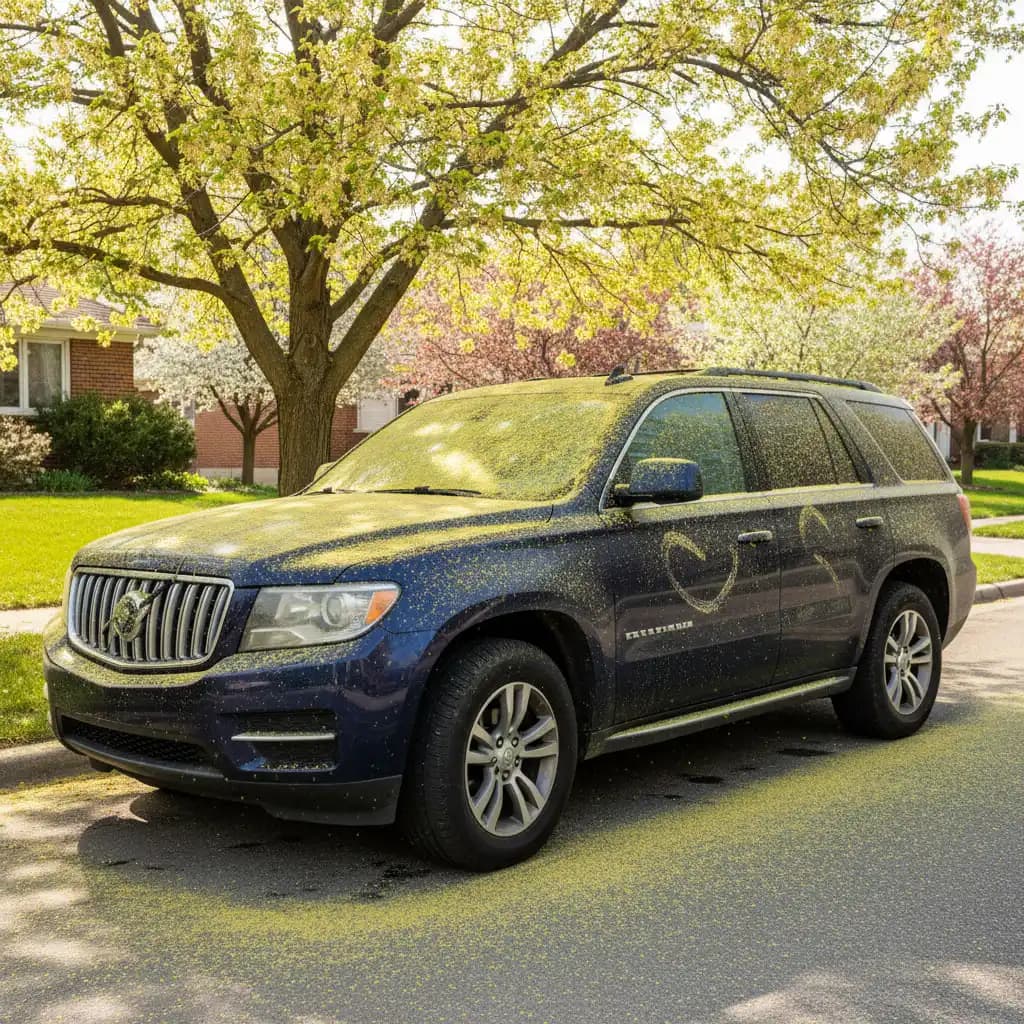
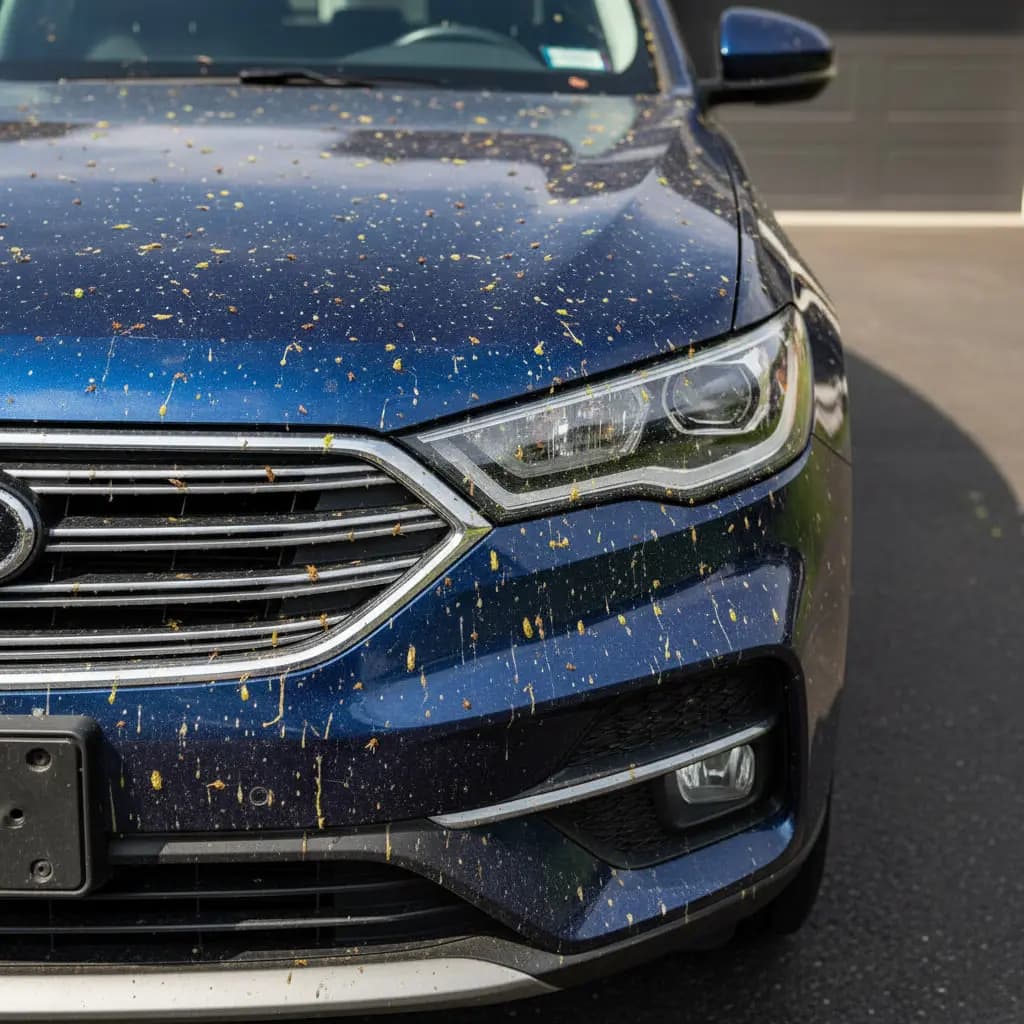
Few U.S. cities wear down automotive paint as quickly as Chicago. Between December and March, road salt, ice, and freezing temperatures create a harsh environment that accelerates corrosion and clear-coat breakdown. Primary corridors like Lake Shore Drive and the Kennedy Expressway bombard vehicles with constant road debris, while downtown’s tight parking structures expose bumpers and panels to scrapes from pillars, walls, and other vehicles. Even during summer, UV exposure and construction dust cause premature fading and paint oxidation.
This combination makes automotive paint particularly vulnerable. When paint loses integrity, rust forms faster due to the city’s humidity and moisture cycles. For drivers who rely on their vehicles daily or park outdoors year-round, choosing the right exterior protection is no longer a purely stylistic decision — it’s a practical one tied directly to maintenance costs, resale value, and long-term durability.
Vinyl wrap, once considered a niche product used mainly for commercial fleets or show cars, now offers meaningful protective benefits against several of these challenges. Meanwhile, high-quality paint remains the gold standard for permanent restoration and factory-quality finishes. The challenge lies in determining which solution aligns better with your purpose and budget.
Vinyl Wrap: Advantages and Limitations for Chicago Drivers
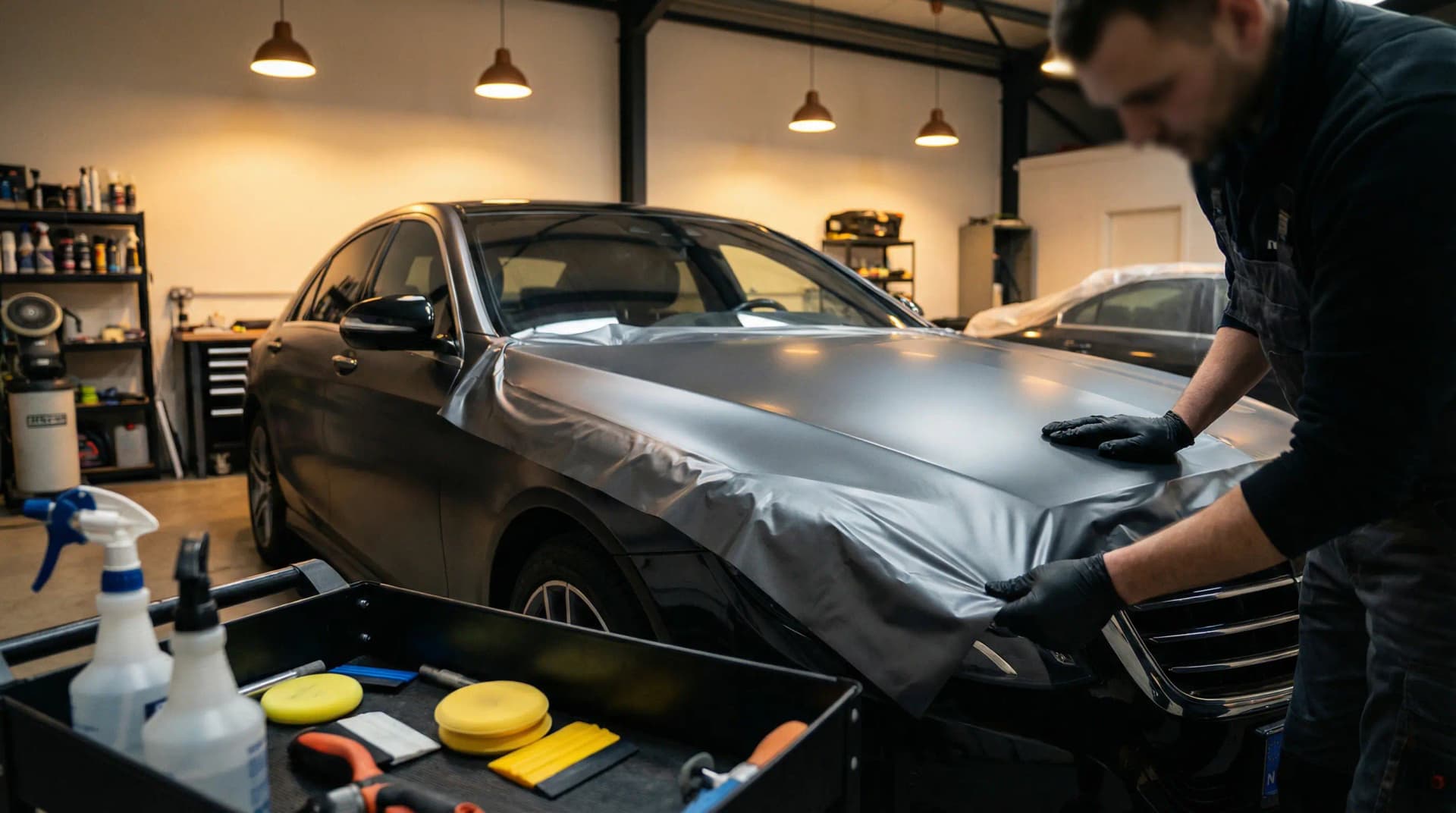
Vinyl wrap has surged in popularity due to its versatility, cost-effectiveness, and protective qualities. A properly installed wrap can dramatically change the appearance of a vehicle while offering a layer of defense against scratches, salt, and environmental wear.
A major advantage is the wrap’s non-permanent nature. Unlike paint, a vinyl wrap can be removed without altering the original finish underneath, making it an attractive option for leased vehicles, commercial branding, or drivers who enjoy updating the car’s look every few years. Wraps come in an extensive range of finishes — matte, satin, gloss, metallic, brushed metal, color-shift, and textured films — allowing far more customization than traditional paint.
Where vinyl particularly shines in Chicago is its ability to shield the original paint from winter hazards. Road salt, slush, and gravel frequently cause micro-abrasions to paintwork, especially on rocker panels, bumpers, hoods, and door edges. A wrap absorbs these impacts, preserving the underlying clear coat. Additionally, wraps resist UV fading and offer easier cleaning due to their smooth, hydrophobic surface.
However, vinyl does have limitations. Wraps generally last 3–7 years, depending on film quality, installation, and Chicago’s fluctuating weather. Extremely cold winters can make low-grade vinyl brittle, and inexpensive wraps may peel or discolor prematurely. Vinyl is also not a suitable solution for vehicles with failing clear coat or deep scratches; surface imperfections often telegraph through the film.
In summary, vinyl wrap is an excellent choice for drivers seeking visual transformation, moderate protection, and flexibility. But it is not designed to replace professional paint repair in cases of significant surface damage.
Automotive Paint: When Repainting Is the Better Option
A professional repaint remains the most durable and permanent way to restore a car’s finish. High-quality body shops use multi-stage processes involving priming, color application, and clear-coat protection to replicate or even exceed factory standards. For vehicles with faded or damaged paint, deep scratches, or rust spots, repainting is the only reliable solution to bring the car back to like-new condition.
Paint also offers superior heat resistance and long-term stability. A well-maintained paint job can last over a decade, far outlasting any vinyl wrap. For collectible vehicles, luxury cars requiring pristine finishes, or drivers committed to long-term ownership, paint often becomes the preferred option.
However, repainting is significantly more expensive than wrapping. Professional paint jobs typically cost many thousands of dollars — especially for multi-stage or color-change work. Repainting also requires extensive preparation, downtime, and the use of controlled spray environments. Additionally, once a vehicle is repainted in a non-factory color, its resale value may change. Buyers tend to prefer original paint whenever possible.
Paint provides unmatched durability, but it is neither reversible nor customizable to the same extent as vinyl. For Chicago drivers who want deep protection without altering factory value, repainting remains a strong but situational choice.
Cost Comparison: Vinyl Wrap vs. Paint Over a 5-Year Period
When evaluating long-term ownership costs, Chicago drivers must consider both upfront price and the cumulative expense of maintenance and potential repairs. Vinyl wraps typically cost less upfront compared to high-end paintwork, making them appealing from a budget standpoint. Moreover, wraps help preserve the original paint, potentially increasing resale value for owners who trade or sell vehicles frequently.
Paint jobs, although costlier, offer longer-lasting results and do not require periodic replacement. Over a five-year period, the cost difference narrows, especially when factoring in the price of removing old vinyl, installing a new wrap, or repairing areas exposed to heavy winter conditions.
In many cases, the best financial choice depends on how long the driver plans to keep the car. A long-term owner may justify the expense of a quality repaint. A short-term owner or someone who leases a vehicle may find wrapping more appealing due to its protection and reversibility.
Performance and Maintenance in Chicago’s Climate
Both vinyl and paint require proper care to withstand harsh Midwest conditions. Chicago winters are particularly damaging due to road salt and sand, which accumulate on lower panels and promote corrosion. Vinyl wraps offer moderate resistance to these elements, but they still require gentle washing and periodic decontamination. Harsh chemicals and automated brush washes can shorten wrap lifespan.
Paint, while inherently more durable, also demands protection. Waxing, ceramic coating, or PPF (paint protection film) significantly improve a painted vehicle’s resistance to winter hazards. Without protective coatings, even high-quality paint will degrade faster when exposed to Chicago’s freeze-thaw cycles and UV exposure.
Drivers who garage their vehicles in areas like River North or Gold Coast typically achieve better longevity for either solution. Those who park outdoors or drive heavily year-round must invest in additional protection, regardless of whether they choose vinyl or paint.
Why Many Chicago Drivers Choose Vinyl Wrap Today
Vinyl wrap has become the preferred choice for many Chicago drivers due to its combination of affordability, flexibility, and real-world protection. Daily commuters appreciate that wraps reduce the appearance of rock chips and abrasions from highway driving. EV owners, especially Tesla drivers, benefit from wraps that safeguard factory paint, which can be softer than average. Commercial vehicles use wraps for branding without committing to long-term paint alterations.
Most importantly, vinyl wrap provides a buffer against winter wear — something every Chicago driver understands all too well. With the city’s long winters and aggressive road salt usage, having a protective barrier is often worth the investment.
Why Professional Installation Matters
Whether choosing a wrap or repaint, Chicago drivers should understand that the quality of installation often determines the success of the project. Poorly installed wraps peel prematurely, bubble, or trap contaminants under the film. Likewise, low-end paint jobs may show inconsistencies, orange peel, or overspray. Professional installers working in clean, temperature-controlled environments ensure the finish remains durable and visually consistent.
Carrectly partners with certified technicians who use high-grade materials and follow industry-standard procedures. From surface preparation to post-installation inspection, each step is executed with precision to ensure the wrap or paint treatment performs reliably in Chicago’s challenging climate.
FAQ: Vinyl Wrap vs. Paint
How long does a vinyl wrap last in Chicago? High-quality wraps last 3–7 years depending on maintenance and exposure to winter elements.
Does vinyl wrap protect against road salt?
Yes, wraps provide a protective barrier that reduces paint damage from salt, sand, and gravel.
Yes. If the original paint is peeling, oxidizing, or scratched deeply, repainting is the correct solution.
Can vinyl wrap be removed safely?Professional-grade vinyl removes cleanly without damaging the original paint when done correctly.
Which option is better for leased vehicles?Vinyl wrap is usually the better choice because it is removable and protects factory paint.
Choosing between vinyl wrap and paint is not a matter of which option is universally “better,” but rather which solution best aligns with your usage, goals, and Chicago’s demanding conditions. For many drivers, vinyl wraps offer unmatched versatility, protection, and cost efficiency. Others may benefit from the permanence and refinement of a high-quality paint job. Regardless of your choice, the key is selecting a professional installation that takes into account local weather, road conditions, and long-term durability.
Book your service with Carrectly today.BOOK NOW
- exterior detailing
- protection
- vinyl wrap