
Ceramic Coating vs. Wax: What Survives Chicago Weather in 2026?
In Chicago’s extreme climate, traditional wax simply doesn’t last. Discover why ceramic coating provides years of protection against road salt, UV rays, and chemical damage — and why it’s the smarter investment in 2026.
- March 9, 2026
- Carrectly
- 5 min read
Ceramic Coating vs. Wax: What Really Survives Chicago Weather in 2026?
In 2026, ceramic coating has surpassed traditional wax as the superior choice for Chicago drivers due to its molecular bonding, which lasts years instead of months. Ceramic coating provides essential protection against corrosive road salt, UV rays, and chemical contaminants. At Carrectly Auto Care, we specialize in high-solid ceramic applications and paint correction at our W Grand Ave hub, offering a seamless concierge service to keep your vehicle protected throughout Chicago’s extreme seasons.
The Battle for Your Car’s Finish
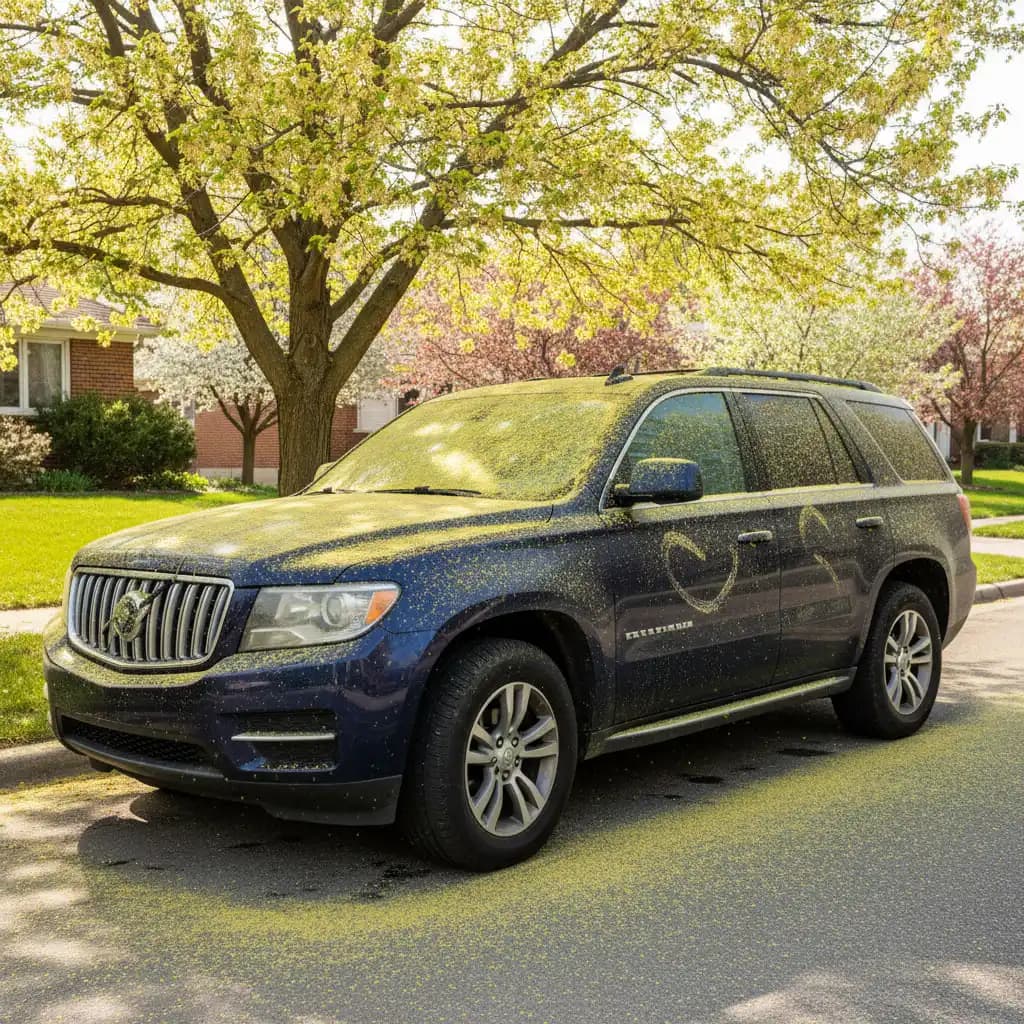
Living in Chicago means your vehicle is constantly under siege. From the blistering sun reflecting off Lake Michigan in July to the corrosive salt-slush of an I-90 commute in February, our local climate is arguably one of the harshest for automotive paint in the United States.
As automotive enthusiasts, we often get asked: "Is a professional ceramic coating really worth it, or should I just stick to a good old-fashioned wax?" In 2026, the answer is clearer than ever. While wax has a nostalgic appeal, it is no longer equipped to handle the environmental stressors of modern Chicago life. At Carrectly Auto Care, we’ve analyzed the data and the chemistry to explain why ceramic coating is the only long-term solution for car paint protection.
1. The Biology of Wax: A Temporary Shield
Car wax, typically based on natural carnauba or synthetic polymers, has been the go-to protection for decades. It provides a warm, deep glow that many collectors still love. However, wax is fundamentally a "sitting" product—it sits on top of the clear coat without creating a permanent bond.
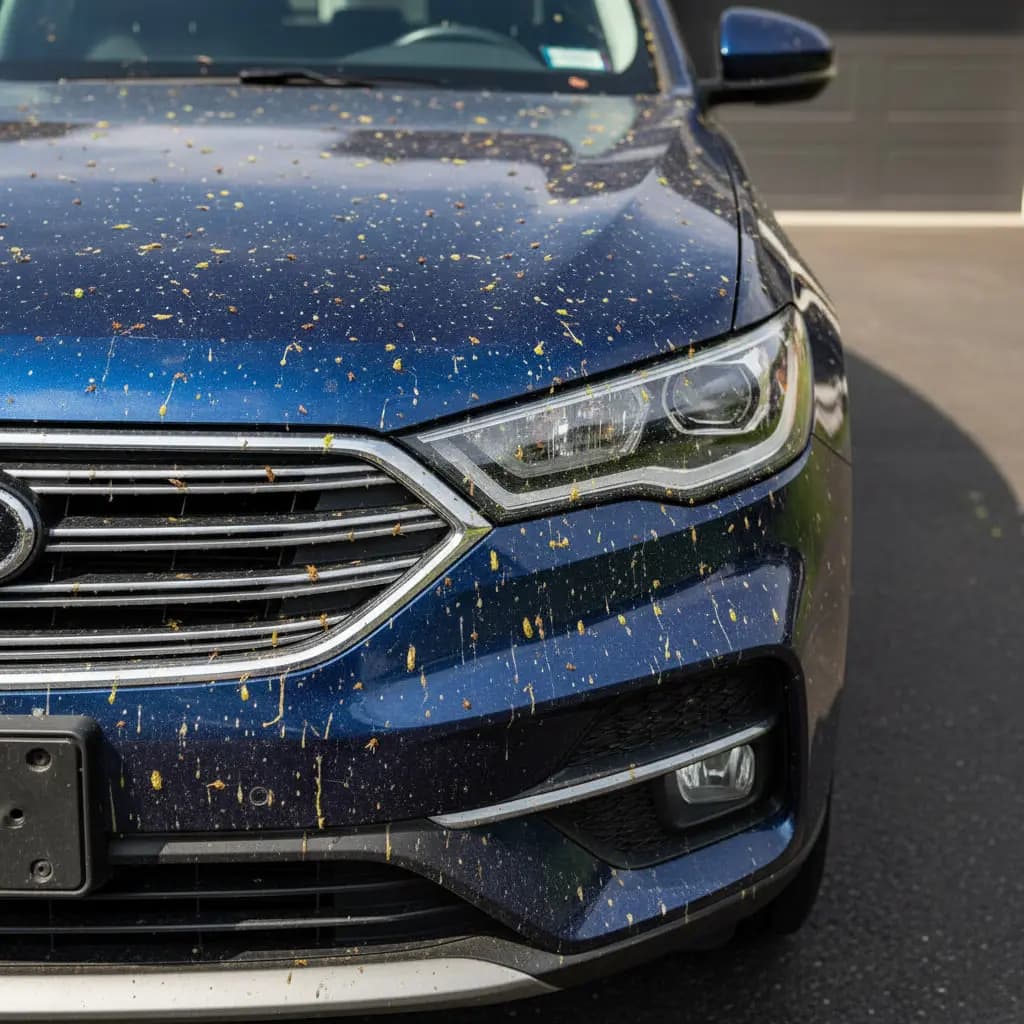
The Chicago Failure Point: The primary weakness of wax is its low melting point and lack of chemical resistance. In a humid Chicago summer, the heat can cause wax to soften, allowing pollutants like iron fallout or bird droppings to sink through the wax layer and into the paint. More importantly, the high-pH detergents used in commercial car washes strip away wax almost instantly. In our experience, a standard wax application lasts no more than 8 to 12 weeks in the Chicagoland area before it needs reapplication.
2. The Chemistry of Ceramic Coating: A Permanent Bond
In 2026, ceramic coating Chicago services utilize advanced silicon dioxide (SiO2) and sometimes graphene-infused technology. Unlike wax, ceramic coating is a liquid polymer that creates a chemical, molecular bond with the factory paint. It doesn't just sit on top; it becomes an extension of the clear coat itself.
The Result: Hardness and Longevity Once cured at our specialized facility on 3069 W Grand Ave, ceramic coating forms a semi-permanent "glass" layer that measures significantly higher on the Mohs hardness scale than factory paint. This layer doesn't wash off. Depending on the level of coating chosen, it provides professional-grade protection for anywhere from 2 to 5+ years.
3. Why Chicago Road Salt is the Ultimate Test
If you drive on the Dan Ryan or the Eisenhower during winter, you know the white crust that covers every car. Road salt is the ultimate enemy of long-term car shine. It is highly alkaline and abrasive.
How Ceramic Wins: A ceramic-coated vehicle is virtually immune to the corrosive effects of salt. Because the surface is so smooth and dense at a microscopic level, salt and brine cannot find a "foothold" to bond with the paint. Instead of eating into your clear coat, the salt sits on top of the ceramic shield, waiting to be effortlessly rinsed away. This is the Carrectly protection standard—ensuring that a winter in Chicago doesn't result in permanent oxidation or "rust bubbles" under the paint.
4. The Hydrophobic Effect: Self-Cleaning Technology
One of the most satisfying features of a hydrophobic coating is its ability to repel water. In 2026, the water-beading technology has reached new heights. When it rains in Chicago, or when you encounter road spray, the water pearls into tight spheres and rolls off the car, taking dirt and grime with it.
Maintenance Reimagined: While no car is truly "self-cleaning," a ceramic-coated car stays clean much longer. When it is time for a wash, the process is 50% faster. Dirt simply doesn't stick. This reduces the risk of creating "swirl marks" during the washing process, as you don't need to scrub aggressively to remove road film.
5. The Essential Secret: Paint Correction
You cannot have a world-class ceramic coating without paint correction before ceramic. This is where many DIY attempts and low-tier shops fail. If you apply a ceramic coating over scratches, swirls, or oxidation, you are effectively "sealing in" those defects for years.
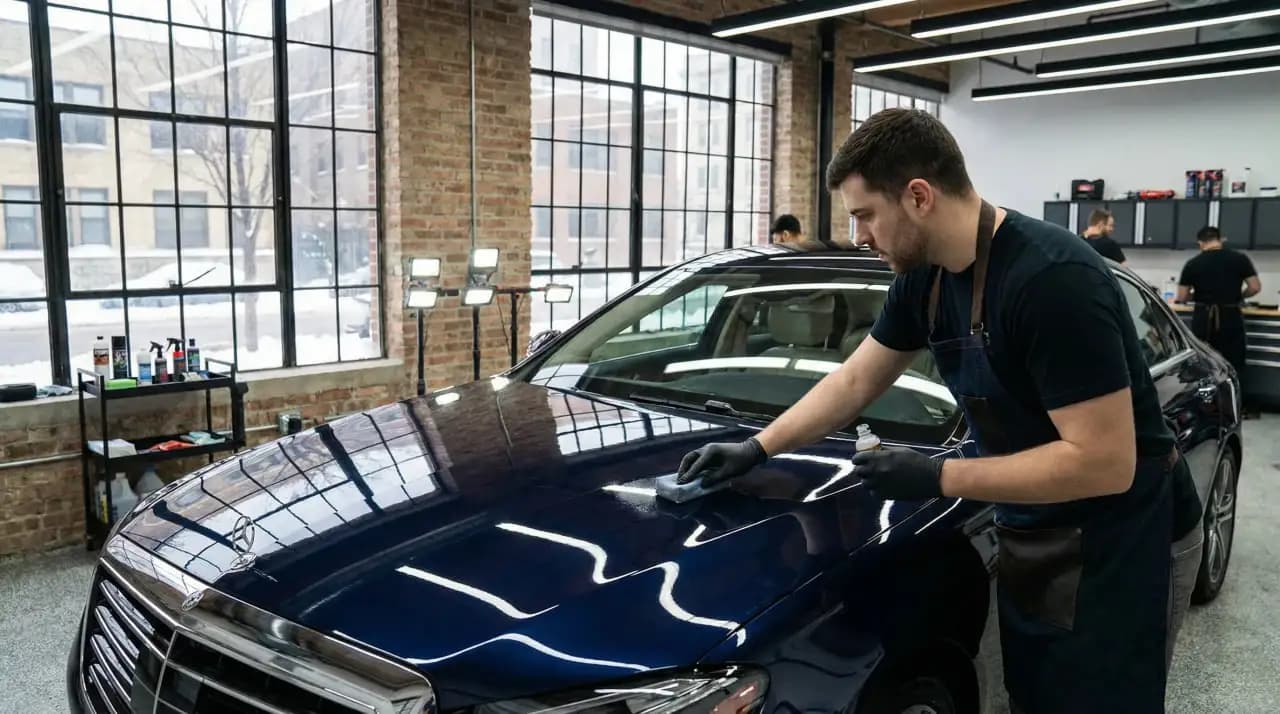
At Carrectly, our process begins with a meticulous multi-stage decontamination and machine polishing. We remove the imperfections that dull the paint's clarity. Only once the paint is as close to flawless as possible do we apply the ceramic layers. This is what creates that signature "mirror-like" finish that makes a car stand out on the Chicago lakefront.
6. The Carrectly Concierge: Premium Care, Zero Effort
We understand that a professional ceramic application takes time—usually 24 to 48 hours for proper prep and curing. We don't expect you to disrupt your life for it.
Our On-Demand Experience:
- Pickup: Our insured concierge team picks up your vehicle from your home or office in the Loop, River North, or any surrounding neighborhood.
- Transformation: Your car is treated at our secure, climate-controlled center on Grand Ave.
- Delivery: We bring your car back to you, shielded by the most advanced protection available in 2026, with a deep, reflective gloss that lasts for years.
Final Verdict: Wax or Ceramic?
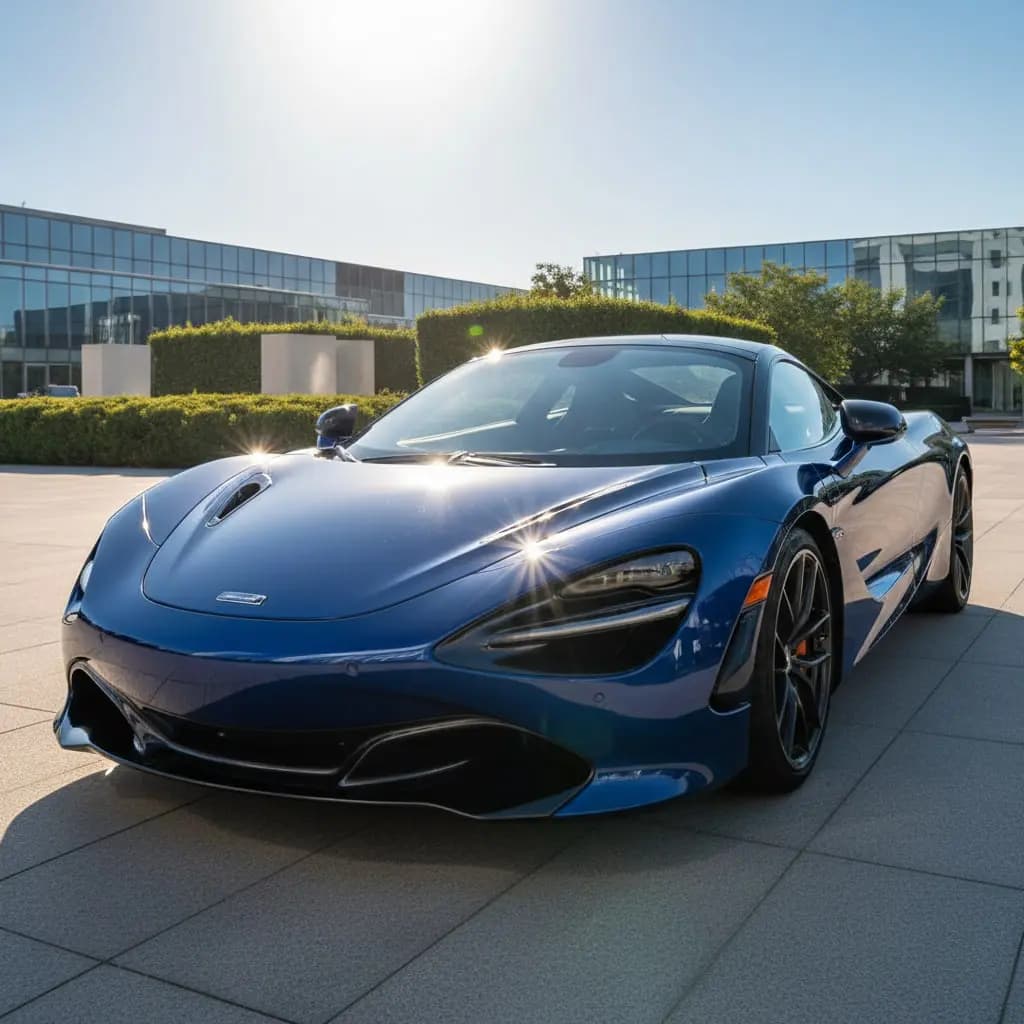
In a city like Chicago, wax is a hobby; ceramic is an investment. If you value your time, your car’s resale value, and a permanent "just-detailed" look, ceramic coating is the clear winner.
- Longevity: Ceramic (Years) vs. Wax (Weeks)
- Protection: Ceramic (Chemical & UV Resistance) vs. Wax (Basic Barrier)
- Maintenance: Ceramic (Easy Rinse) vs. Wax (Regular Buffing)
- ceramic coating
- wax
- paint protection film
- protection