
Waymo in Chicago: How Autonomous Vehicle Mapping Is Transforming Urban Driving & ADAS Technology
Waymo has arrived in Chicago, bringing advanced autonomous mapping technology to the Loop and River North. Learn how LiDAR, ADAS calibration, and sensor systems are shaping the future of driving—and why your car’s safety tech matters more than ever.
- June 5, 2026
- Carrectly
- 6 min read
Waymo in the Windy City: What Autonomous Mapping Means for the Future of Chicago Driving
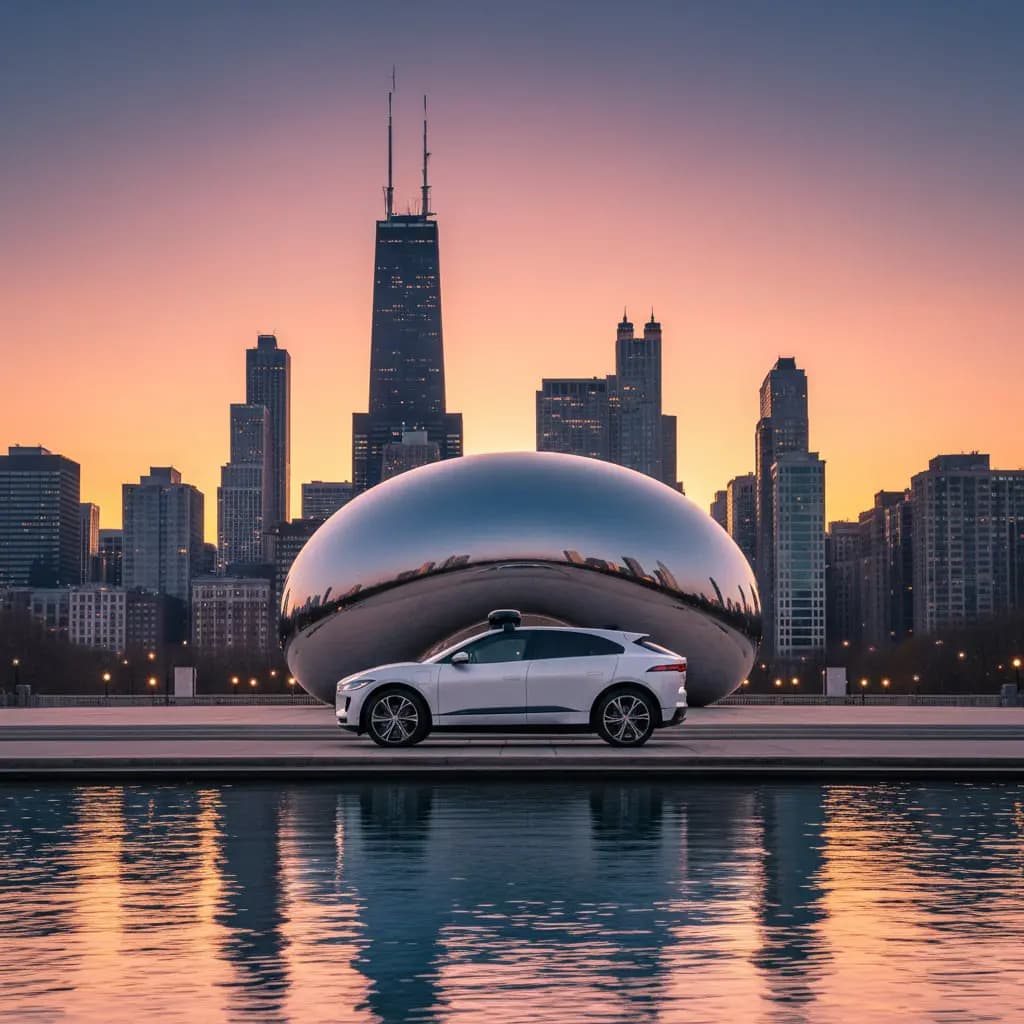
If you’ve spent any time lately in the Loop or cruising through the vibrant streets of River North, you’ve likely spotted them: sleek, white SUVs outfitted with spinning rooftop sensors and a honeycomb of cameras. Waymo has officially arrived in the Windy City. While these vehicles are currently being operated by human "mappers," their presence marks a pivotal moment in Chicago's automotive history. We are no longer just preparing for a self-driving future; we are actively mapping it.
At Carrectly, we view the arrival of Waymo not just as a novelty, but as a technical case study. The same technology that allows a Waymo vehicle to navigate a sudden Chicago snowstorm is already present in your own car’s Advanced Driver Assistance Systems (ADAS). As autonomous tech grows, the line between "traditional mechanic" and "technical sensor expert" is blurring. Understanding how these vehicles "see" Chicago is the key to understanding why your own vehicle’s sensor health is more important than ever.
The Technical Challenge: Mapping a 3D Chicago
Chicago is one of the most difficult urban environments for autonomous sensors to navigate. While a self-driving car in Phoenix deals with wide, flat roads and constant sun, a "Chicago-smart" car must master a three-dimensional labyrinth.
The Lower Wacker Drive Dilemma
Nowhere is this more apparent than on Lower Wacker Drive. For a standard GPS system, Lower Wacker is a "dead zone." The multi-level concrete ceiling blocks satellite signals, creating a "GPS-denied" environment that leads to the "Canyon Effect"—where signals bounce off skyscrapers, causing your navigation to think you’re a block away from your actual location.
Waymo and other high-tech autonomous systems solve this through a combination of LiDAR (Light Detection and Ranging) and dead reckoning. LiDAR sensors pulse laser beams thousands of times per second to create a high-resolution 3D point cloud of the environment. By comparing this real-time cloud to a pre-mapped 3D model of the city, the car can determine its position within centimeters—even without a GPS signal. This level of technical "localization" is what will eventually allow autonomous ride-hailing to function in the subterranean levels of the city.
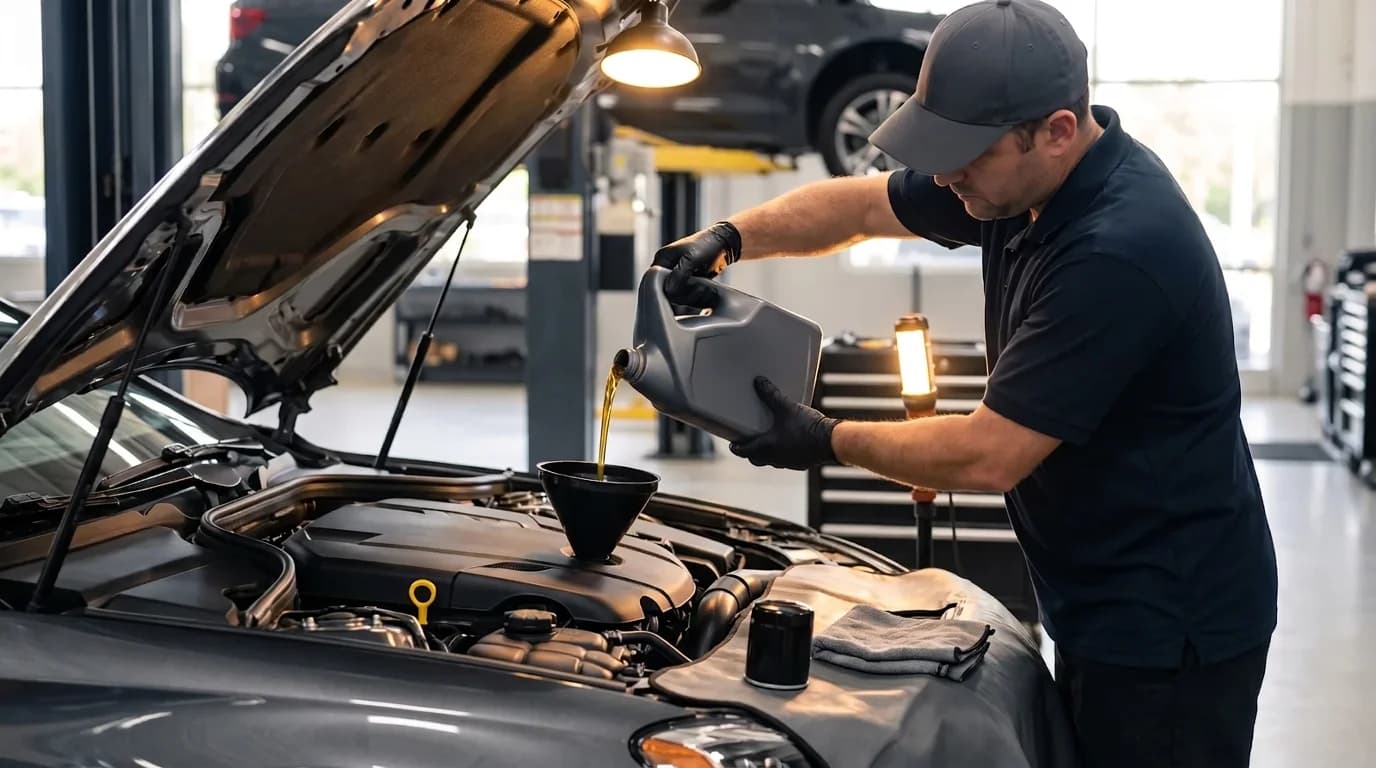
Why Calibration is the New Oil Change
Your personal vehicle may not have a spinning LiDAR unit on the roof (yet), but it almost certainly has a suite of Radar and camera sensors behind the windshield and bumpers. These sensors power your Adaptive Cruise Control, Lane Keep Assist, and Automatic Emergency Braking.
In the industry, we often say that ADAS calibration is the new "oil change." Why? Because the sensors are only as good as their alignment.
Micron-Level Precision
Modern automotive sensors require micron-level alignment to function safely. Consider a forward-facing camera used for lane-departure warnings. If that camera is tilted by just a fraction of a degree—perhaps due to a minor fender bender in a Wicker Park alley or even a particularly violent pothole hit on the Kennedy Expressway—the "view" of the road is distorted.
At a distance of 300 feet, a one-degree misalignment can mean the difference between your car seeing a pedestrian in your lane or "thinking" they are safely on the sidewalk. This is why ADAS calibration Chicago services are becoming a non-negotiable part of modern maintenance. At Carrectly, we utilize specialized aiming targets and diagnostic software to ensure your car’s "eyes" are perfectly centered, matching the manufacturer’s original factory specifications.
Chicago’s Environment vs. Sensors: Potholes, Salt, and Humidity
The "Windy City" is notoriously hard on hardware. For the autonomous vehicles of 2026, the environment presents three primary technical hurdles that every Chicago driver should be aware of:
- Pothole Impacts: A single impact with a Chicago pothole doesn't just damage your suspension; the resulting vibration can physically shift the mounting brackets of your Radar sensors. If your steering feels "off" after a hit, your ADAS sensors likely need a recalibration alongside your Wheel Alignment.
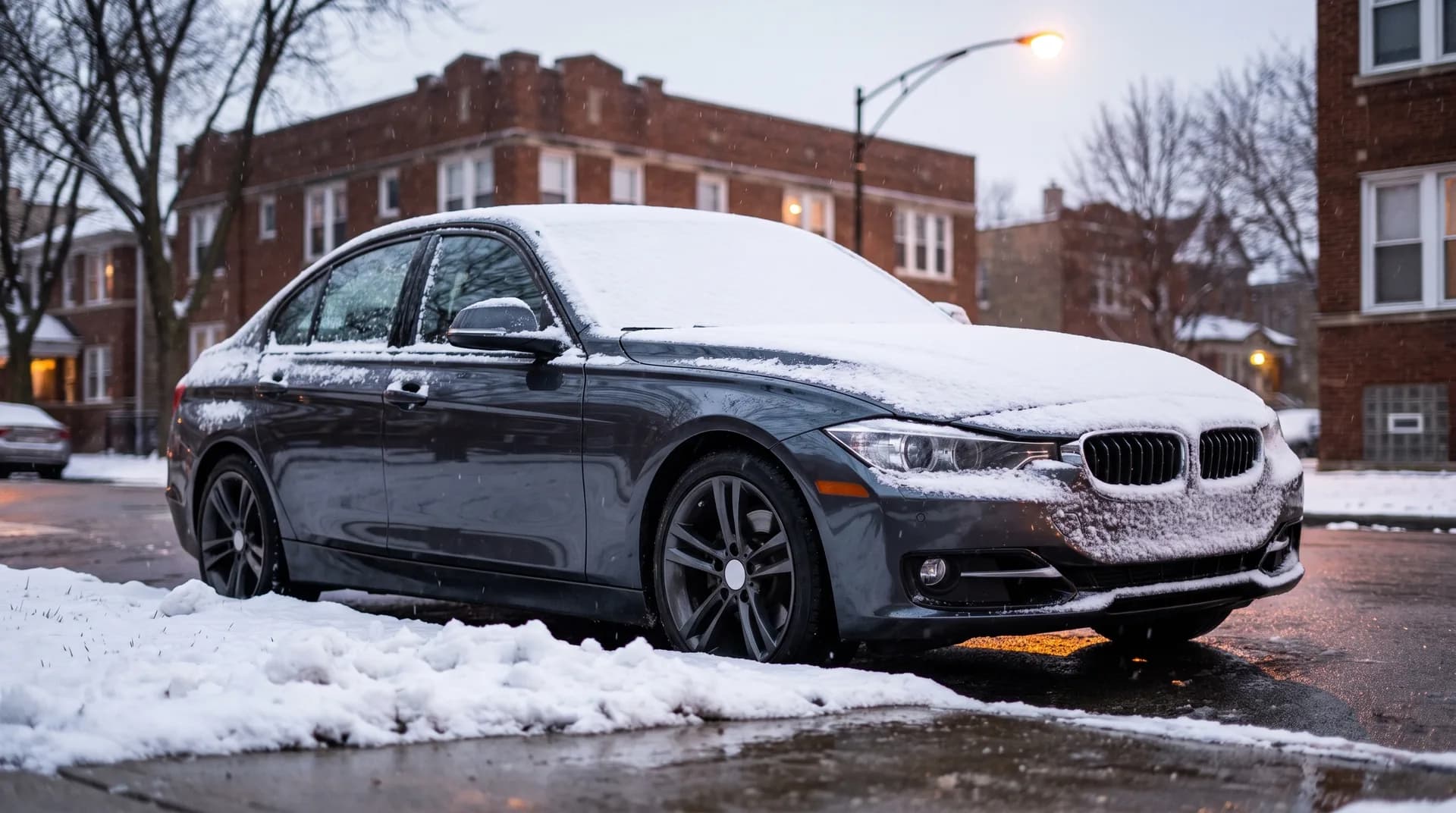
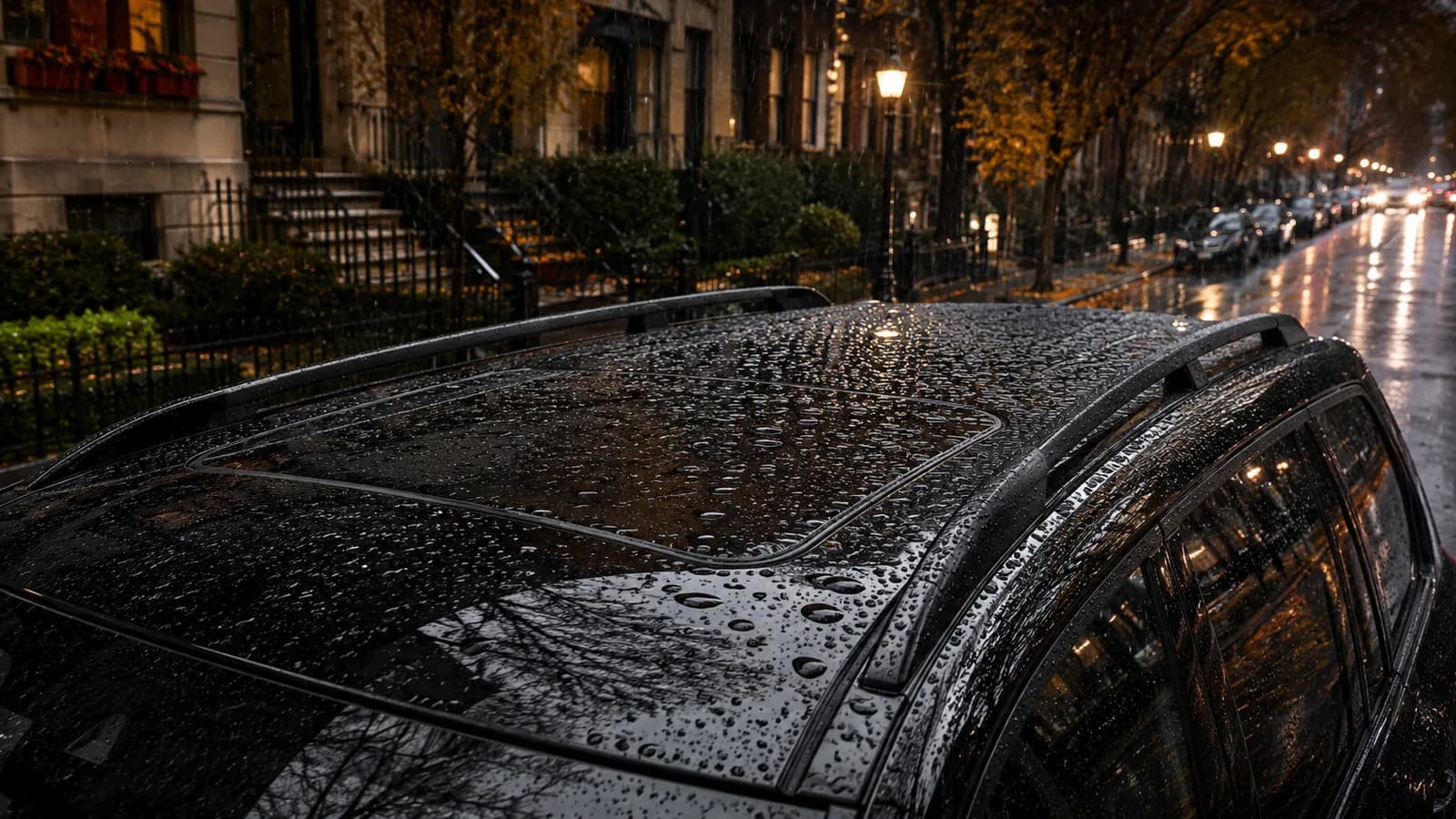
- Road Salt and Occlusion: The corrosive white brine used on our winter roads is a nightmare for sensors. Salt buildup creates "occlusion," where the sensor can no longer "see" through the grime. This is why we highly recommend Ceramic Coating—the hydrophobic properties make it much harder for salt and urban soot to bond to the sensor covers, ensuring your safety systems stay active.
- Humidity and Condensation: Lake Michigan’s humidity can cause "fogging" inside the sensor housings if seals are compromised. Technical maintenance involves checking these seals to prevent internal moisture from blinding your vehicle’s AI.
The Carrectly Advantage: "Artisans of Sensors"
We founded Carrectly to be the tech-focused alternative to the "old-school" grease-and-wrench shops. We understand that in 2026, a luxury car is a rolling computer. When you see Waymo mapping Chicago, you're seeing the extreme version of the technology we service every day.
Concierge Tech Support
We know that calibrating complex sensors sounds like a hassle. The traditional dealership might keep your car for three days just to "re-index" a camera. Carrectly’s concierge pickup and delivery model is built to solve this.
- The Pickup: We pick up your vehicle from your high-rise in the Gold Coast or your office in the West Loop.
- The Tech Work: While you stay productive, our experts perform a full digital scan of your ADAS health, perform any necessary static or dynamic calibrations, and verify the integrity of your Collision Repairs or windshield replacements.
- The Return: We deliver your car back to you, safety-verified and tech-ready, before your evening commute.
We are the destination for drivers who want the convenience of 2026 logistics paired with the technical mastery required for 21st-century vehicles.
Driving into the Future
The arrival of Waymo in Chicago is a signal that our streets are becoming smarter. Whether you're excited about autonomous rides or prefer the thrill of driving yourself, your safety depends on the precision of your vehicle’s sensors. Don't leave your ADAS health to chance. By prioritizing professional calibration and technical maintenance, you ensure that your car—no matter how "smart" it is—remains a safe sanctuary in the urban jungle.
Experience the future of auto care where technology meets transparency. Let Carrectly handle the sensors so you can enjoy the ride.
Book your service with Carrectly today.
FAQ: Autonomous Tech & Sensor Calibration
Q: Does my car really need calibration after a simple windshield replacement? A: Yes. Most modern cars have a forward-facing camera mounted directly to the glass. Even a microscopic difference in the thickness or angle of the new glass can "blind" your Lane Keep Assist or Emergency Braking. Calibration ensures the camera knows exactly where the road is.
+2
Q: Can I tell if my sensors are out of alignment? A: Not always. Unlike a check engine light, a misaligned sensor might not trigger a dashboard warning. However, if you notice your car "drifting" more in its lane or your Adaptive Cruise Control feels "jittery," those are signs that your ADAS system needs a professional audit.
Q: Will autonomous cars like Waymo eventually replace traditional car service? A: Not at all! In fact, autonomous cars require more frequent and precise maintenance than human-driven ones. They need constant sensor cleaning, precise alignments, and advanced software updates—all of which Carrectly is equipped to handle.
Q: Is the concierge service available for tech-heavy EVs like Teslas or Rivians? A: Absolutely. We are specialists in EV maintenance Chicago, including the complex sensor suites found in Teslas, Rivians, and Lucids. We handle the pickup and delivery so you don't have to navigate the crowded Tesla service centers.
BOOK NOW- vehicle sensor calibration
- smart mobility
- automotive safety systems
- autonomous driving technology
- mechanical repair